

Sagiru Abdullahi Huguma.
At critical moments in public service, leadership is not measured by speeches or titles, but by the courage to stand firm against injustice, pressure, and exploitation.
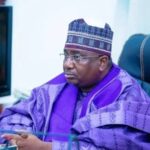
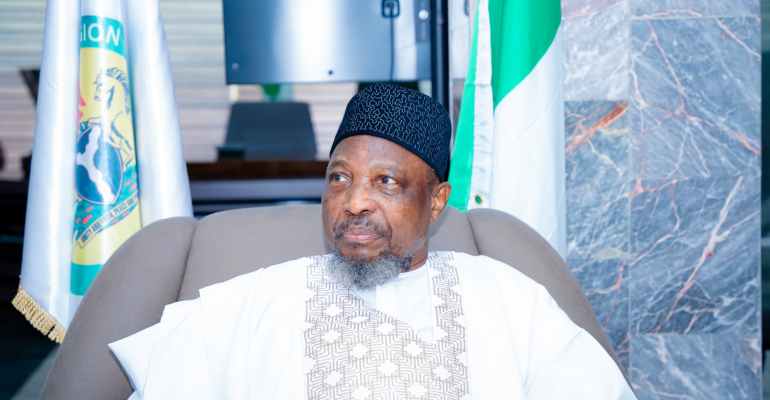
The recent attempt to undermine Nigeria’s 2026 Hajj preparations has once again proven that the National Hajj Commission of Nigeria (NAHCON) is currently under steady and principled leadership in the person of its Chairman, Sheikh Abdullahi Saleh Usman, popularly known as Sheikh “Pakistan.
”The now-public revelation surrounding Mashariq Dhahabiyya’s alleged attempt to alter already-signed contracts and divert billions of naira from Nigerian service providers was not just a commercial dispute it was a direct threat to the integrity of Nigeria’s Hajj administration, the welfare of pilgrims, and the credibility of the Nigerian state.That this attempt failed is largely due to the firmness, clarity, and commitment of the NAHCON leadership.
Standing Where Others Might Have Yielded In international Hajj operations, power dynamics often place African countries under intense pressure.
It would have been easier to comply quietly, pass the burden to service providers, and avoid diplomatic tension.
But Sheikh Abdullahi Saleh chose a more difficult and honorable path—defending the sanctity of signed agreements and Nigeria’s national interest.
By rejecting any post-signature contract manipulation, NAHCON under his leadership reaffirmed a fundamental principle: Nigeria is not a country where rules can be bent at will, nor a mission that exists to be exploited.
This decision protected:
1) Nigerian accommodation and catering providers from financial strangulation
.2) Pilgrims from indirect cost-cutting that would have reduced service quality
3) NAHCON itself from legal, ethical, and reputational consequences
LEADERSHIP ROOTED IN INTEGRITY AND EXPERIENCE
Sheikh Abdullahi Saleh “Pakistan” is not new to Hajj administration or religious leadership. His approach reflects a deep understanding of both Shari’ah values and modern governance principles. Islam does not condone injustice, extortion, or exploitation under any guise commercial or administrative. His stance aligns squarely with both Islamic ethics and international contract law.
This is the kind of leadership Nigerians should expect: calm, firm, and uncompromising when the nation’s dignity is at stake.
A MESSAGE BEYOND 2026 HAJJ
By pushing back decisively, NAHCON sent a clear message to all partners and service providers.
NIGERIA WILL COOPERATE, BUT NIGERIA WILL NOT BE BULLIED.
This moment may well redefine how Nigeria is treated in future Hajj engagements. It signals the end of silent compliance and the beginning of assertive, rules-based participation in global Hajj administration.
SUPPORT WHERE IT IS DESERVED
Public institutions rarely receive commendation for doing the right thing. Yet, when leadership rises to the occasion, it deserves open support.
Sheikh Abdullahi Saleh Usman has demonstrated that public office can still be exercised with honor, courage, and accountability
.As preparations for the 2026 Hajj continue, stakeholders, pilgrims, and the Nigerian public must rally behind NAHCON’s leadership. Vigilance is necessary, but so is encouragement for those who choose integrity over convenience.
CONCLUSION
History often remembers leaders not for the crises they avoided, but for the principles they defended. In standing firm against an unjust demand that could have crippled Nigeria’s Hajj operation, Sheikh Abdullahi Saleh “Pakistan” has shown what responsible leadership looks like.Nigeria’s pilgrims deserve nothing less.
Sagiru Abdullahi Kwanar Huguma, Independent journalist writes from Kano