

The working visit by a subnational from Angola to Nasarawa State was groundbreaking, signalling the consummation of the long-standing bilateral relationship between Nigeria and Angola under the auspices of the revitalized Nigeria-Angola Joint Development Commission, underscored a strategic pivot towards pragmatic, state-level partnerships designed to translate high-level diplomacy into grassroots economic impact.
Over the course of the engagement, the focus on visible outcomes moved from principle to practice, defining every ceremony and tour, with the agenda meticulously crafted to showcase Nasarawa’s operational projects and institutional reforms, presenting a model of development through partnership that Bengo Province could both appreciate and adapt.
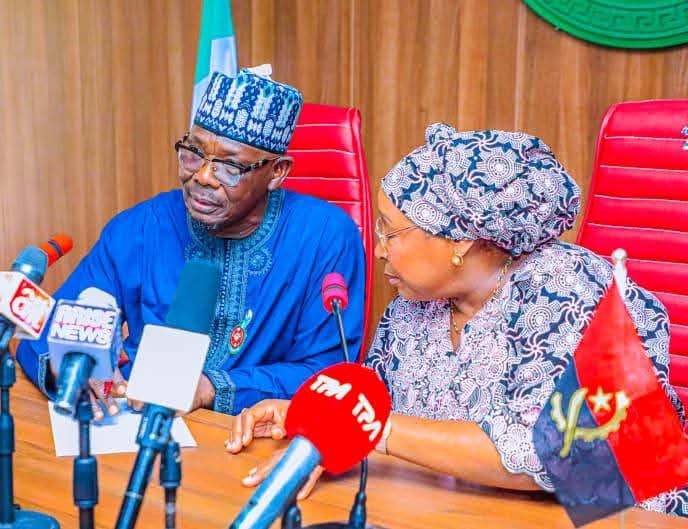
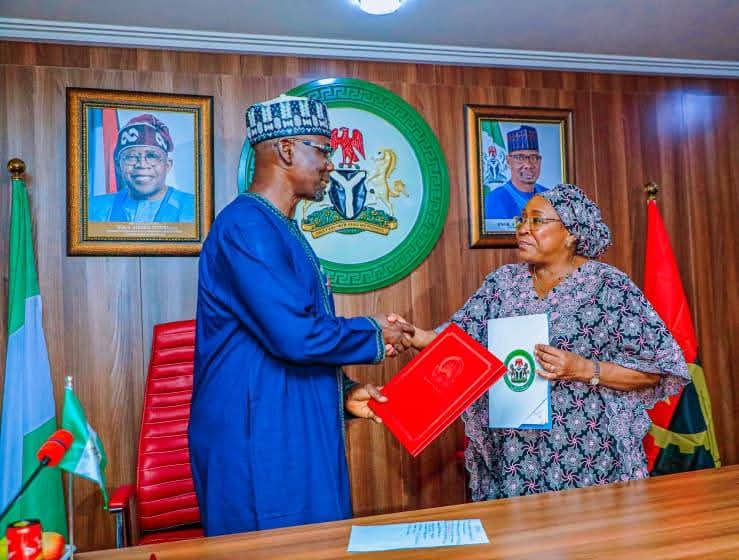
Governor Abdullahi Sule set the tone for this results-oriented collaboration during the landmark signing of the bilateral cooperation agreement. “While the signing of the agreement today is important to us, implementing the agreement is more important to us.
It is extremely important that we all work together to ensure that we begin to implement the various items of this agreement,” he declared firmly at the Lafia Government House.
This emphasis on action over ceremony resonated throughout the visit, which reciprocated Governor Sule’s diplomatic mission to Angola in September and projected his administration as one deliberately engineering economic change through international alliances.
The newly signed Memorandum of Understanding, covering agriculture, human capital development, mining, energy, culture, and tourism, was rooted in striking similarities between the two regions.
Governor Sule detailed the practical logic of the pairing, noting shared strengths in agricultural production, mineral development, including marble processing. He particularly highlighted their parallel roles as neighbours to major capitals—Bengo to Luanda and Nasarawa to Abuja—a dynamic that creates common challenges in infrastructure, peri-urban agriculture, and investment attraction.
Governor Maria Antonia Nelumba of Bengo Province anchored this new sub-national alliance in deep historical bonds. “Long existing relation between Angola and Nigeria. 50 years of independence and Nigeria was the first country that stood with us,” she reflected, affirming that this legacy is now being channeled into mutual economic benefit.
She outlined a structured implementation pathway, explaining that a permanent joint committee will meet annually to drive agreed projects and programmes. “They will be responsible for finding the necessary ways to implement the agreement,” she stated.
She also expressed confidence that the partnership would yield positive results for both entities, as according to her, “our willingness and determination to cooperate will overcome any natural and artificial barriers.”Even though the visit was to purposely sign and seal the partnership pact, it was strategically designed to showcase landmark projects executed by the Governor Sule administration, drafting Her Excellency to commission these key projects.
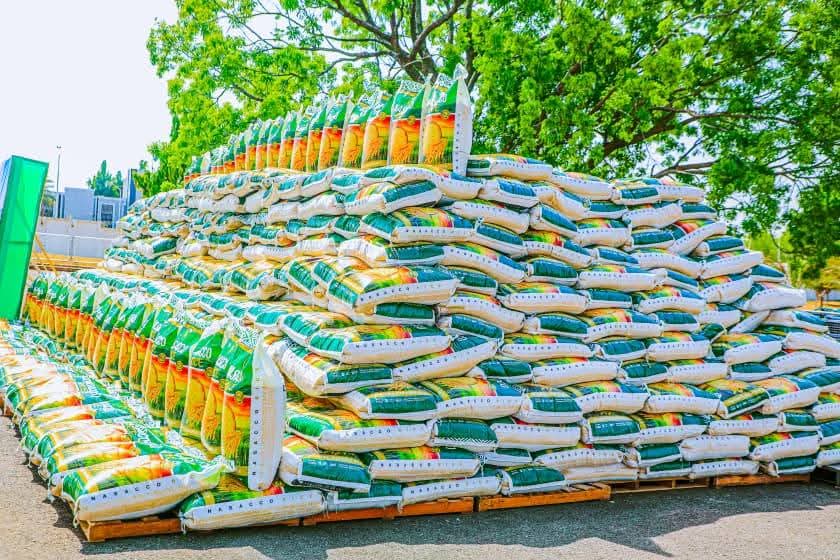
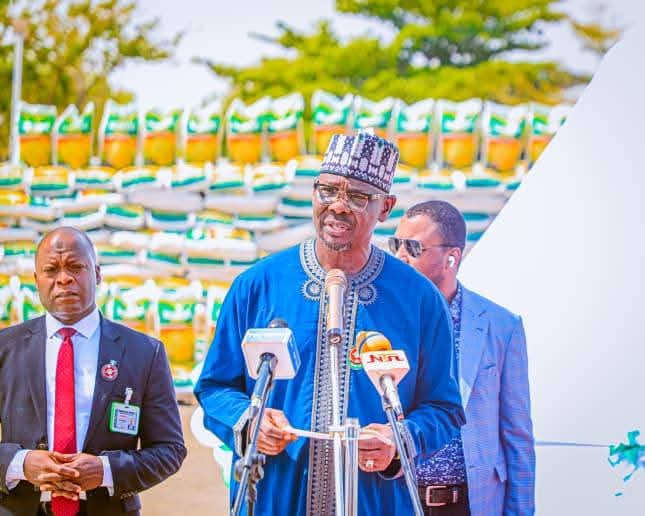
In an impactful symbol of agricultural revival, Governor Nelumba unveiled NASSACO rice, the state’s own premium branded product from the Jangwa-Agwatashi rice farm. Of course, being the pragmatic leader that he is, Governor Sule tied the launch directly to the partnership.“Her Excellency will do us a favour of launching the rice in order to show our commitment in the area of agriculture.
They are showing us a lot of fruits. We will show them a lot of rice,” he stated.Minister of Agriculture and Food Security, Senator Abubakar Kyari, said events during the two-day visit represents more than a commissioning ceremony but a statement of vision, leadership and purposeful governance.
“The commissioning of the Multi-Door Court House and the unveiling of NASSACO rice, speak eloquently to leadership that understands that development is deliberate not accidental.
By simplifying investment processes and strengthening agricultural value addition, Nasarawa State is laying firm foundation for sustainable growth, job creation and economic resilience,” he said.
Represented at the event by Engr. Ibrahim Alkali, the minister described the initiatives as the product of focused leadership and disciplined reform under His Governor Sule, disclosing futher the extent of investment coming into the state.
In recent times, Nasarawa State has attracted and launched agricultural industrial investment valued at over USD88m, expanded commercial farming activities and successfully cultivated and harvested over 8000 hectares state farm,” he noted.
Abubakar Garba Ibrahim of Silvex International, the processing partner, credited Governor Sule’s vision for partnership. “We strongly believe that no one can achieve any milestone in economic development without a partnership,” he said.Infrastructure supporting governance and business also took centre stage.
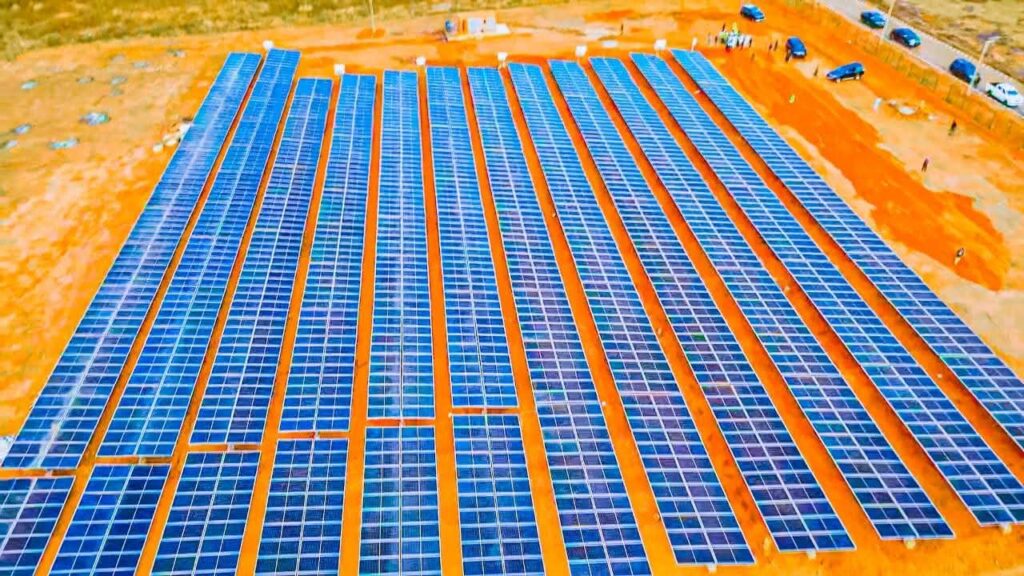
Governor Nelumba commissioned a one-megawatt solar power plant at the state secretariat for reliable, clean energy, and inaugurated the transformative Nasarawa State One-stop Investment Centre.
Prof. Konyinsola Ajayi, renown banker and investment lawyer who chaired the first Nasarawa State Economic Advisory Council, described the centre as a fundamental structural reform.“It is deliberate. It is strategic and it is indicative of the intention of Governor Sule,” he added.
Professor Ajayi argued that such institutional coherence, more than resource endowment, drives sustainable investment.
He used the opportunity to particularly commend Governor Sule for not only demonstrating commitment to transform, industrialize and modernize Nasarawa State but for bringing his skills as a petroleum engineer, business leader, as well as a kind and humble leader, to bear positively on the administration of the state.
On his part, the Emir of Lafia, HRH Justice Sidi Bage Mohammed I (rtd), connected this to broader commercial justice, applauding the integrated Multi-Door Court House for facilitating arbitration and mediation.Looking ahead, Governor Sule proposed capacity building as the critical first step. “The best way to start the implementing is to start with the training, the human capital development,” he advised.
He equally identified specific areas for technical exchange in agriculture and oil and gas, noting that while Bengo has offshore drilling expertise, Nasarawa’s new experience as an onshore oil-producing state offers unique learning opportunities.
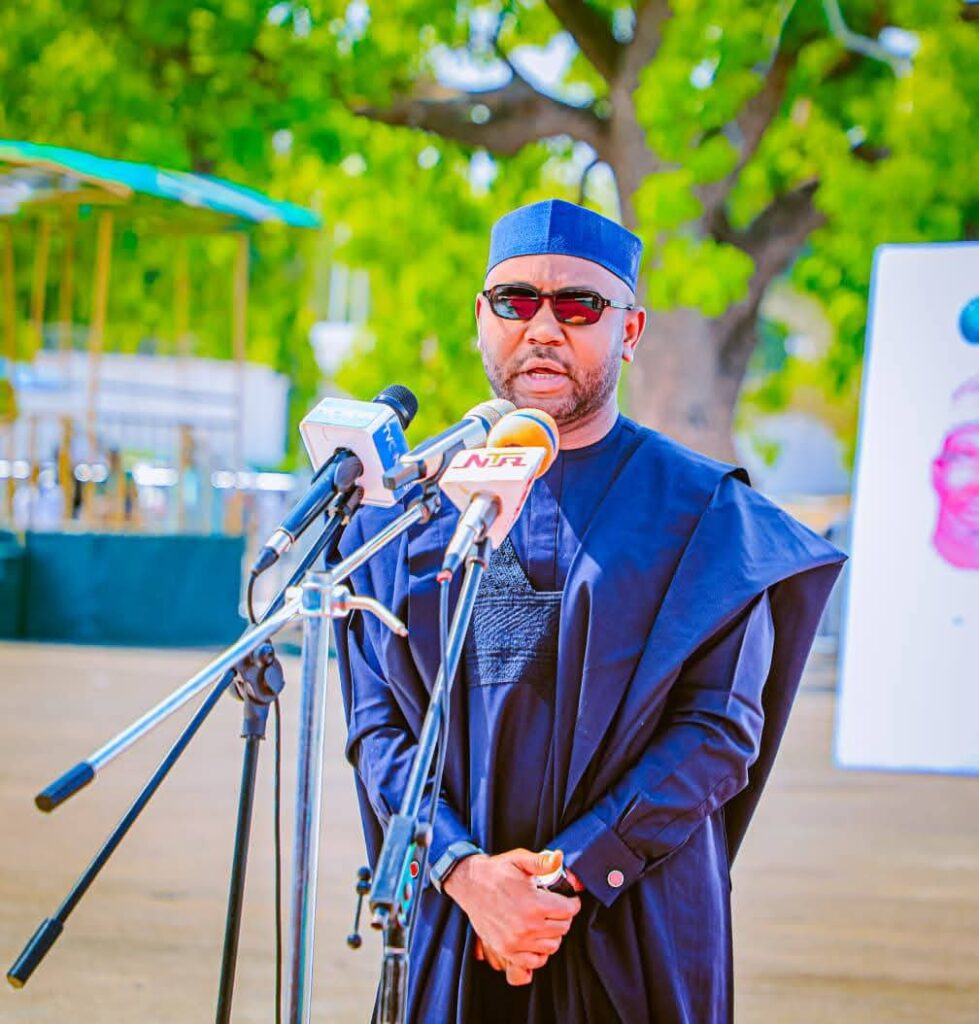
Ibrahim Abdullahi, MD/CEO of the Nasarawa State Investment Development Agency (NASIDA) described the visit as the fruit of a deliberate sub-national diplomatic strategy, using states and provinces as “key pillars for the development and economic growth of both nations.
”In the end, the two-day visit left behind more than a signed document. It launched a branded product, commissioned enabling infrastructure, and established a clear framework for ongoing exchange.
The true takeaway is a model of governance that treats international cooperation not as a ceremonial photo opportunity, but as a practical, actionable tool for state-level development and tangible gains for the people of Nasarawa and Bengo.