

By Ali Abbare.
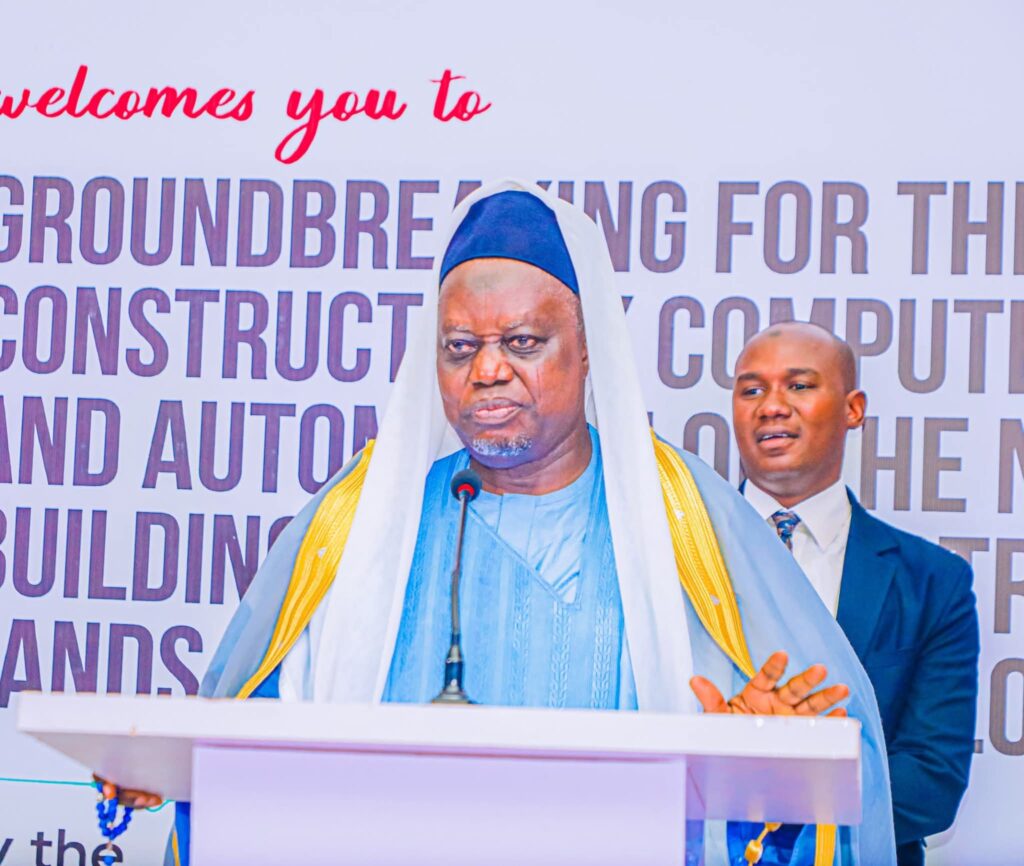
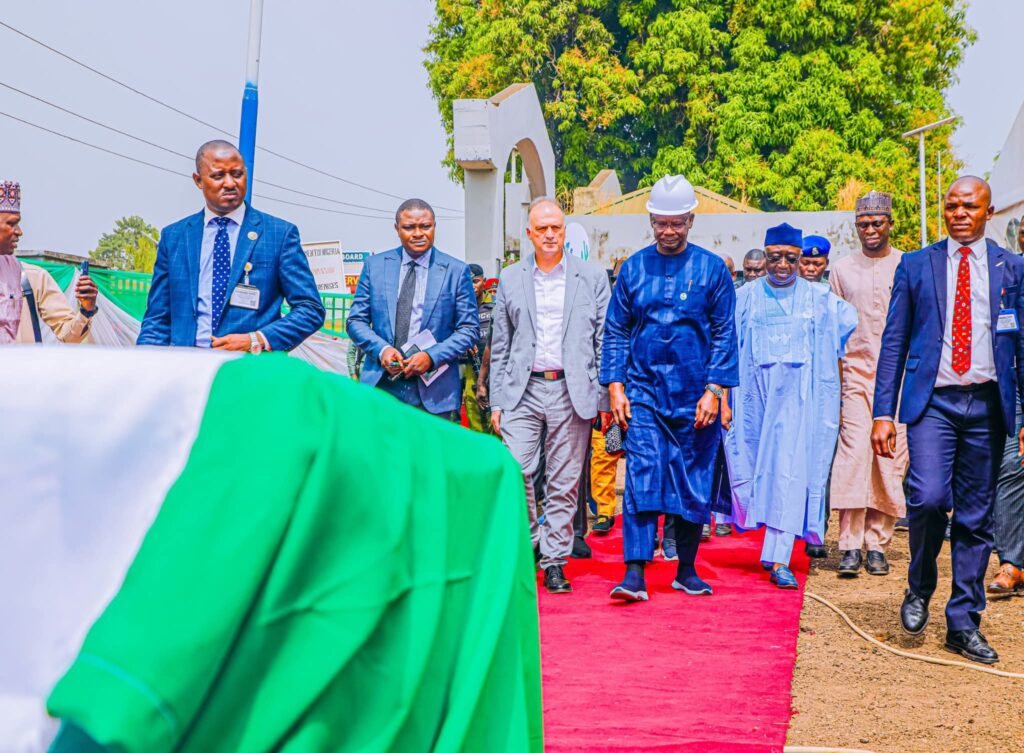
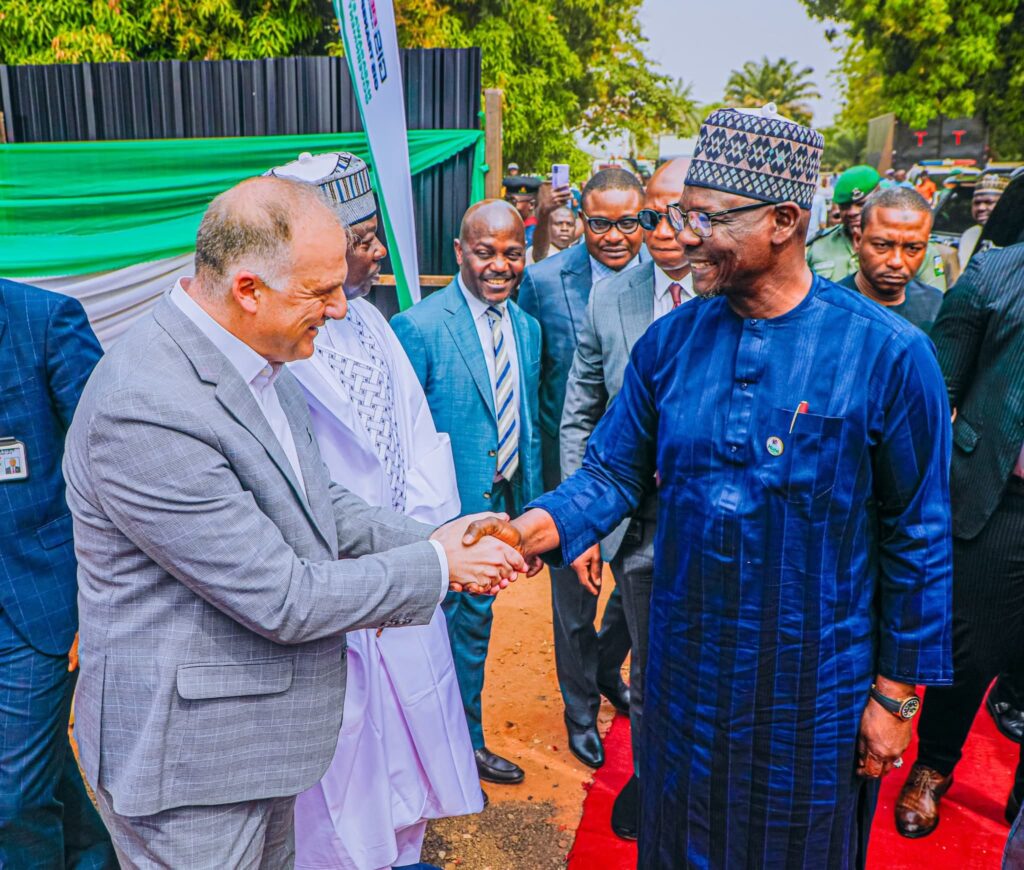
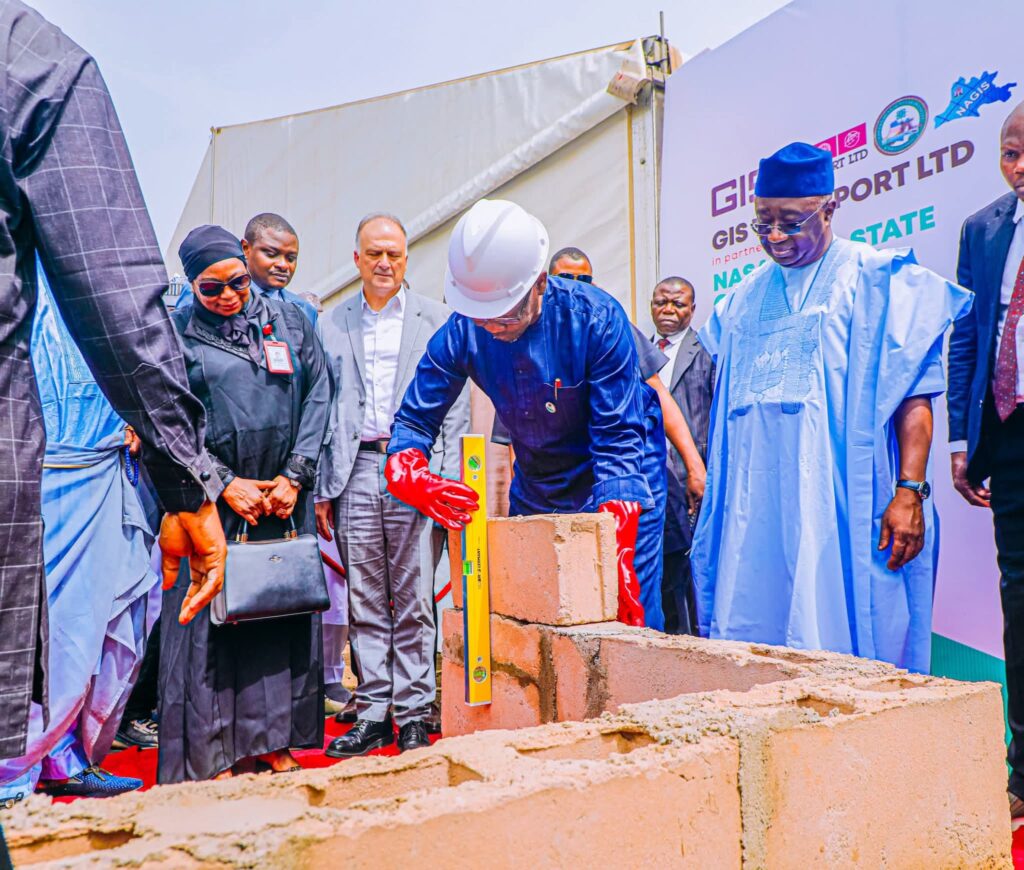
In a decisive move set to redefine land administration in Nasarawa State and Nigeria at large, Governor Abdullahi Sule on Thursday performed the groundbreaking for a N4.185 billion project to fully computerise and house the Ministry of Lands and Urban Development.
The initiative equally presented a uniquely financing model with Governor Sule utilizing World Bank intervention funds to execute the project which marked a landmark rejection of the dissolution model adopted by predecessors.
The project, which promises to seamlessly integrate the existing digital Nasarawa Geographic Information Service (NAGIS) with the now-analogue ministry, underscores Governor Sule’s distinct governance philosophy rooted in building rather than dismantling.
This approach directly counters the path taken by former Kaduna State governor Nasir El-Rufai, who dissolved his state’s lands ministry upon the creation of the digital KADIS agency.
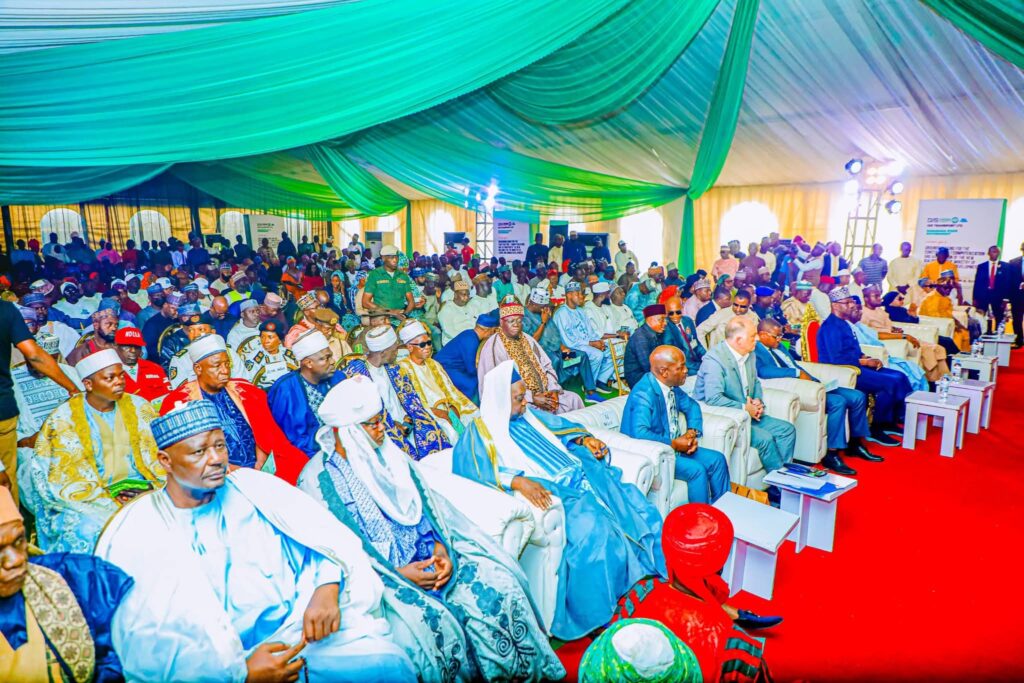
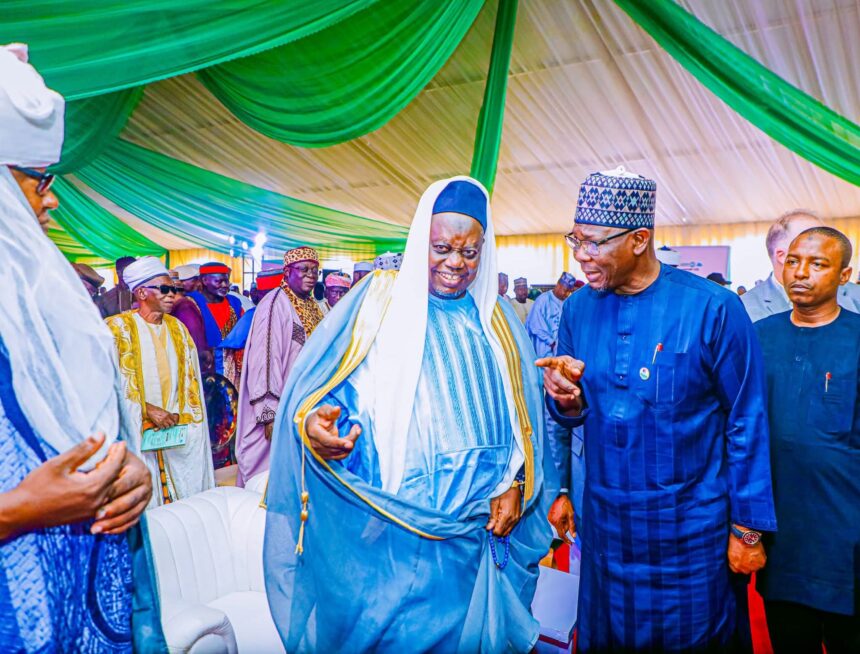
Governor Sule, addressing officials and traditional rulers including the Emir of Nasarawa, HRH Alhaji Ibrahim Usman Jibril, stated that upon inheriting the disjointed system in 2019, he chose a path of integration.
“In my nature, I hate to eradicate. I believe more in building than in destruction. That is the reason why we did not go that route,” he said, making reference to the Kaduna model.
The Governor described the inherited structure as having created “conjoined twins”—one highly digitalised and technical, the other completely manual—a situation that hampered efficiency despite NAGIS’s potential.
The technical resolution to this challenge was explained by George Ghanen, General Manager of GIS Transport Ltd., the project’s implementing partner, who commended the Governor’s decision to maintain both entities as a “masterstroke,” detailing a plan where technology will integrate their functions while preserving their independence.
“NAGIS will serve as the front-end of the system, where application and customer care is taken care of, and the conveyance. On the other hand, the computerisation of the Ministry of Lands will serve as the back-end of the system, where everything is executed technically and legally,” Ghanen said.
According to him, this synergy is expected to eliminate bureaucratic delays and pull Nasarawa’s land administration fully into the 21st century.
The financial underpinning of this ambitious project highlights another layer of innovation. Governor Sule, with a transparency uncommon in Nigeria’s often secretive public financial culture, disclosed that the N4.185 billion is drawn from a N17 billion reward secured by the state from the World Bank’s State Action on Business Enabling Reforms (SABER) programme.
Nasarawa was among the first seven states to qualify.
“In my way of disclosing everything and being transparent to you, we got instead of about 8 or 9 billion, we got N17bn,” the Governor stated.
He authorised an upfront 50% payment to the contractor to ensure swift completion, demonstrating a private-sector commitment to efficiency.
This financial prudence and openness is a hallmark of Governor Sule’s administration, reflecting his extensive corporate background. He presented the project as a sound investment, citing impressive revenue growth from land administration as justification.
On his part, Sonny Agassi, Director-General of NAGIS, provided the figures: from a paltry N35 million yearly revenue in 2011, digitisation under NAGIS increased it to about N350 million by 2019.
Under Governor Sule’s hands-on leadership, which involved personally signing a record number of Certificates of Occupancy, combined revenue from lands and NAGIS had already hit N1.7 billion in the first ten months of 2025. The Governor projected a full return on the N4.185 billion investment within two years.
Also speaking, the Emir of Nasarawa, HRH Alhaji Ibrahim Usman Jibril, commended the Governor’s vision, noting that efficient land management is the bedrock of successful economic activity.
“With NAGIS and the integration of the Ministry of Lands, I am confident that this synergy will grow from strength to strength,” the royal father said .
Beyond the lands complex, Governor Sule outlined how the remainder of the SABER funds are being deployed for other high-impact projects, including building multi-door courthouses in Karu and Lafia to attract investors, a one-megawatt power project for the state secretariat, and a major upgrade of the Akwanga Specialist Hospital.
Each of these projects is tied to a broader strategy of improving the state’s business climate and infrastructure.
The groundbreaking in Lafia thus symbolises more than the start of a construction project; it marks a deliberate pivot in governance strategy. Where others chose to dissolve and create anew, Governor Sule chose to integrate, modernise, and build upon existing structures.
By pairing this with unprecedented financial transparency and strategic use of international development funds, he is applying a corporate executive’s playbook to the complex task of state development, aiming to leave behind a legacy of efficient, self-sustaining institutions for the people of Nasarawa State