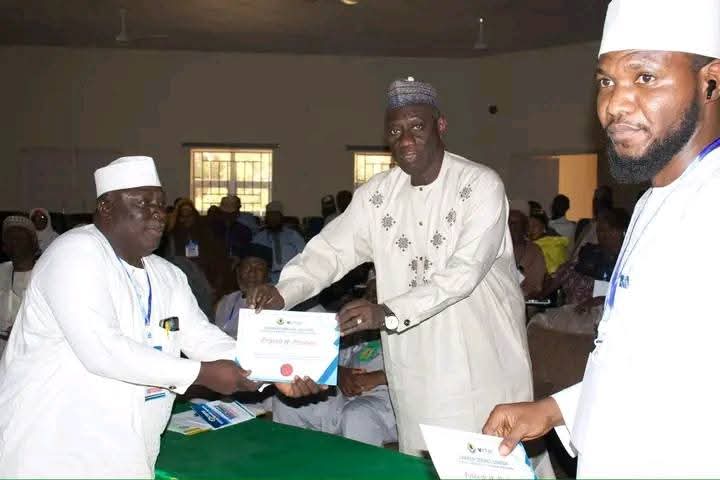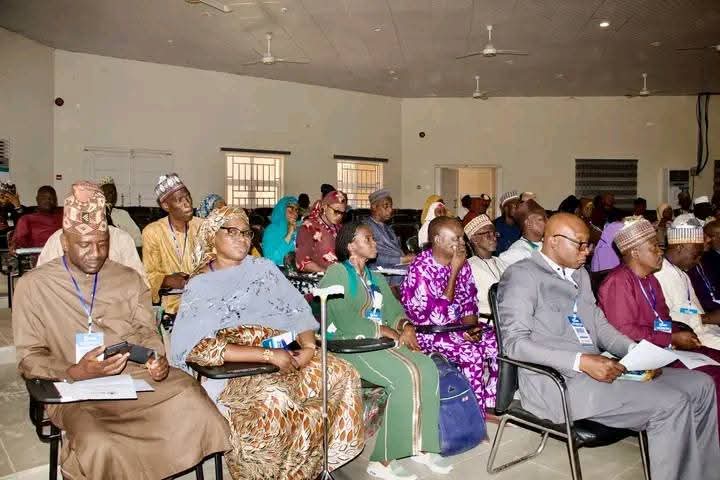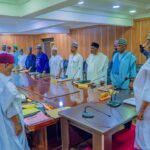


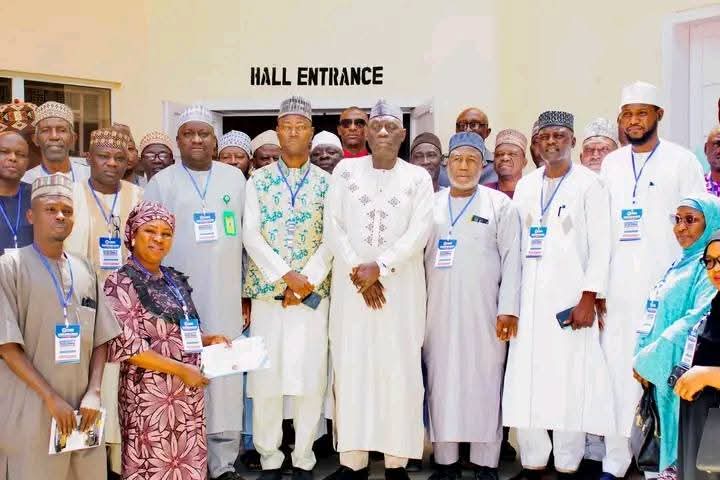
The Federal University of Education, Zaria has convened a capacity-building workshop to strengthen the operational framework of its Career Services Centre (CSC), in a strategic move aimed at enhancing institutional effectiveness and improving graduate employability.
Declaring the workshop open, the Vice-Chancellor, Yahaya Isa Bunkure, underscored the central role of the Career Services Centre in guiding students toward self-reliance and equipping them with the competencies required for gainful employment and entrepreneurship.
He explained that the workshop was designed to sensitise key stakeholders on the Centre’s mandate, operational scope, service offerings, and institutional requirements necessary for optimal performance.
In his welcome address, the Head of the Career Services Centre, Kwairanga Sanusi Mafindi, expressed appreciation to participants for their support and engagement.
He noted that the workshop was intended to familiarise stakeholders with the structure and functions of the TETFund-supported Centre, officially launched in 2024 to advance graduate employability outcomes.
Mafindi observed that in today’s rapidly evolving academic and professional environment, a clear understanding of the Centre’s operational framework is imperative.
He added that the University’s CSC adopts proactive, globally aligned best practices, including organising career development workshops and seminars, interview preparation sessions, and other employability enhancement initiatives.
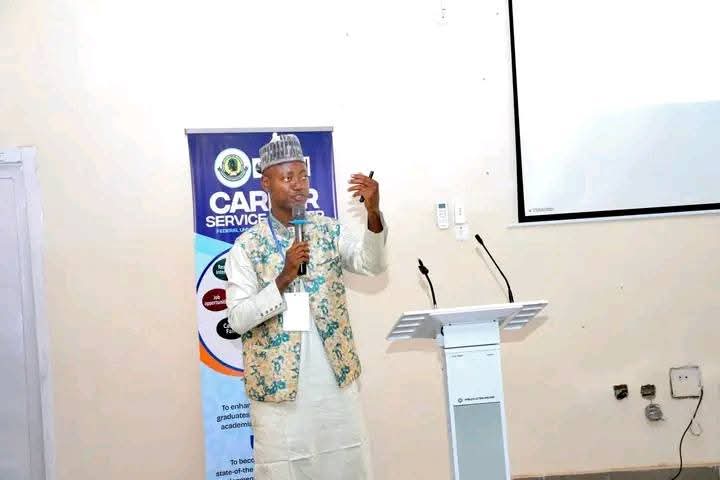
The resource person, Abdussalam Muhammad Kani, FCFA, Principal Consultant/Chief Executive Officer of NexGen Consult Solutions Ltd and Pioneer Desk Officer of the Career Centre at Sa’adatu Rimi College of Education, Kano, delivered a presentation titled “X-Raying the Nitty-Gritties of a Career Services Centre.
”In his presentation, Dr. Kani emphasised the urgent need for functional Career Services Centres across Nigerian tertiary institutions, citing persistent graduate unemployment and widening skills gaps.
He noted that regulatory bodies increasingly prioritise employability outcomes in accreditation processes and funding considerations.
He identified industry collaboration, digital career services, inclusive support for students with disabilities, and structured partnerships with employers and professional bodies as critical success factors.
He further highlighted the importance of adequate infrastructure, measurable Key Performance Indicators (KPIs), and sustained staff capacity development.
Addressing common challenges such as low student awareness, weak industry linkages, and resource constraints, Dr. Kani advocated enhanced visibility strategies, stronger faculty collaboration, digital transformation, and sustained institutional commitment.
According to him, a well-structured and industry-driven Career Services Centre can significantly improve graduate employment outcomes, strengthen university–industry linkages, and contribute meaningfully to national human capital development.
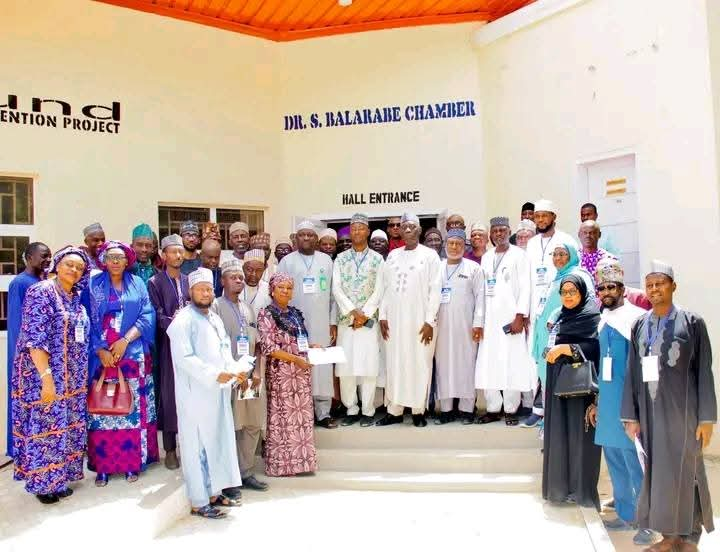
Among dignitaries in attendance were the Acting Registrar, Malam Shehu Iya Sa’idu; Acting Bursar, Alhaji Muhammad Kabiru Aliyu; Acting Librarian, Malam Ahmad Tijjani; Director of Internal Audit, Malam Dahiru Garba; and Director of Academic Planning, Dr. Haliru Musa.
The workshop, held on 26 February 2026 at the Dr. Suleiman Balarabe Chamber, was also attended by Directors, Deans, Heads of Departments and Units, Desk Officers, and other members of staff of the University.