

By Abdullahi Tukur Birnin Kebbi
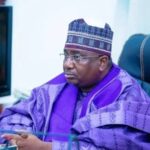
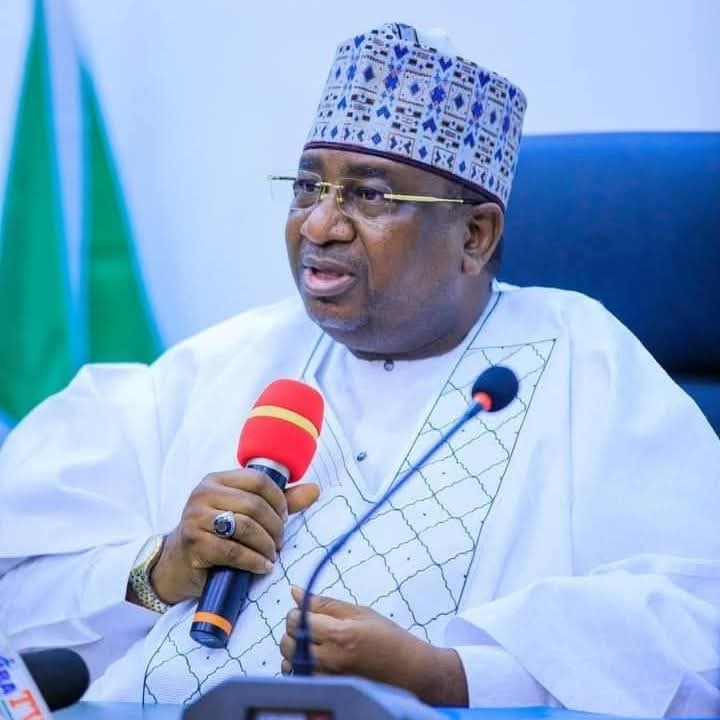
Independence anniversaries are often moments of ritual celebration—flag-waving, speeches, and stock phrases about unity. Nigeria’s 65th, however, ought to provoke something more: sober reflection on the gap between promise and performance. In Kebbi, Governor Nasir Idris has chosen to use the occasion not simply for commemoration, but as a platform to argue for unity and sustained development.
His message is couched in the familiar idiom of nation-building—patriotism, collective sacrifice, and prayers for purposeful leadership. These are staples of Nigerian political rhetoric. Yet, beneath the rhetoric, there are signals of a reform-minded provincial leader intent on turning Kebbi into a test case for what local governance can deliver in a federal system notorious for centralized inefficiency.
Education is his chosen entry point: the construction of “mega schools” designed to combine conventional learning with skills acquisition and ICT training. For a state where literacy levels lag and youth unemployment remains endemic, this is no small ambition. Similarly, his administration’s push for modern infrastructure—from solar-powered streetlights to upgraded public buildings—represents more than cosmetic beautification. It is an effort to tether Kebbi to the demands of a 21st-century economy.
Agriculture remains the backbone of the state’s economy, and Idris has promised solar-powered irrigation pumps and free fertilizer. Done well, this could boost year-round farming, enhance food security, and give Kebbi farmers an edge in the grain and rice markets that sustain Nigeria’s north-west. Healthcare and economic empowerment also feature in his list, echoing the Federal Government’s theme of “All Hands on Deck for a Greater Nation.”
The Governor is a realistic leader. He insists that lofty intentions alone are not enough. Positive actions must follow every pronouncement. Nigeria’s history since independence is littered with initiatives announced with flourish and abandoned in neglect. The governor’s emphasis on transparency, diligence, and piety hints at an awareness that political credibility is earned through follow-through, not fanfare. His call for unity—urging Kebbi citizens to set aside differences in pursuit of peace and security—also resonates in a region often strained by banditry, resource competition, and ethnic divisions.
At 65, Nigeria is still in the throes of defining itself: a country with immense resources yet hobbled by weak institutions and leadership fatigue. Governor Idris’s message is at once celebratory and cautionary: a reminder that progress will not be handed down from Abuja, but built locally, brick by brick, policy by policy.
The real test is whether this anniversary will mark another cycle of platitudes, or a renewed seriousness by state leaders to anchor Nigeria’s unity in tangible development. Kebbi’s experiment in schools, farms, and infrastructure may yet prove that the road to national renewal runs through the states—and through leaders willing to turn rhetoric into results.