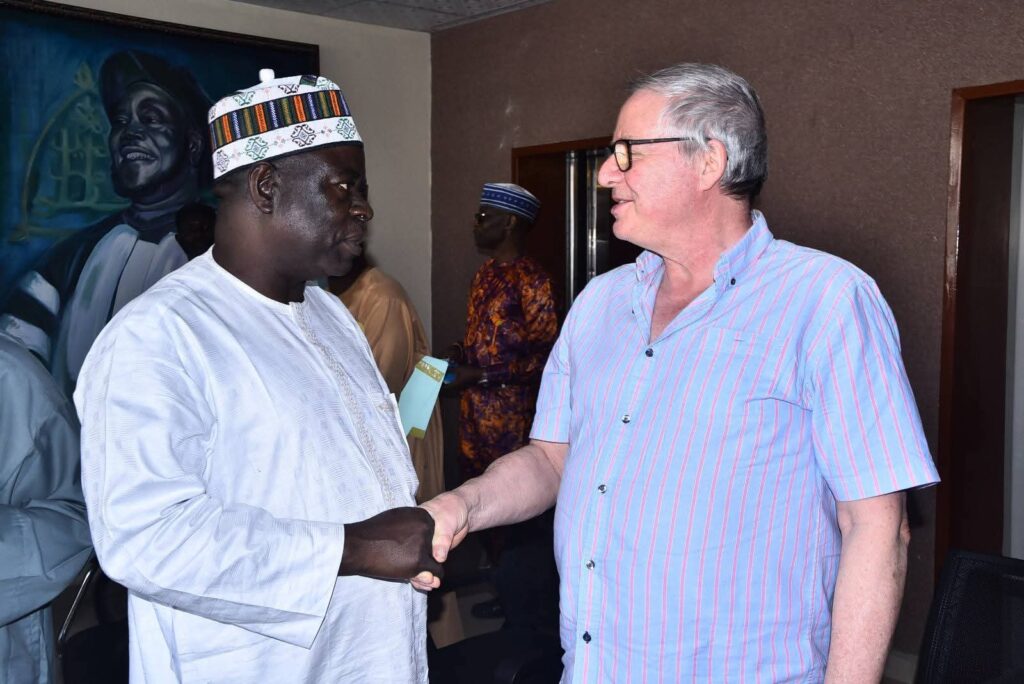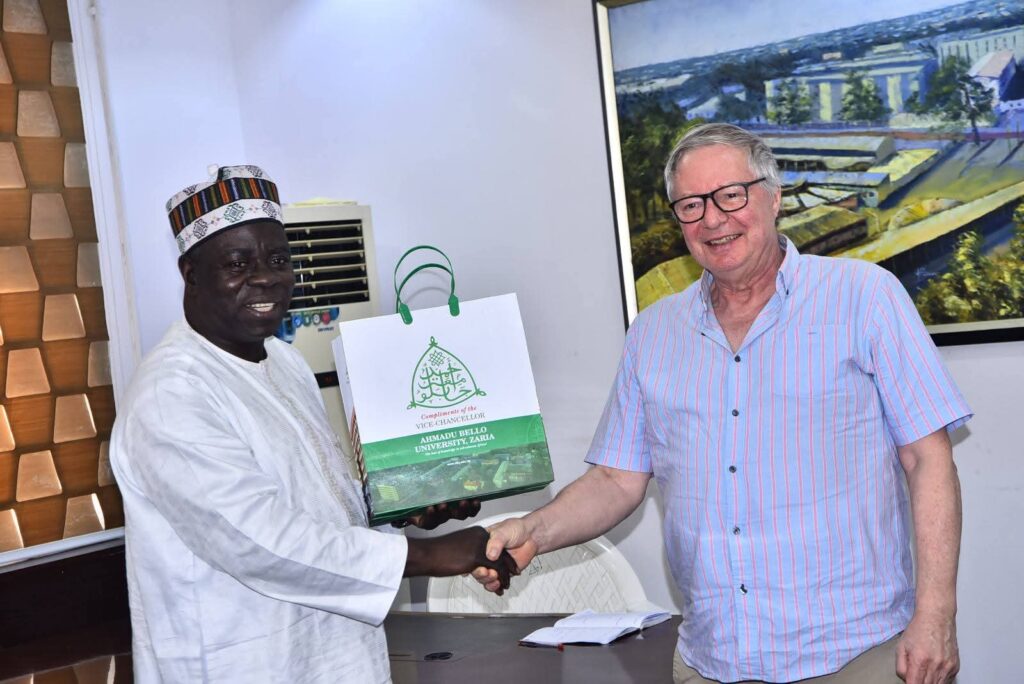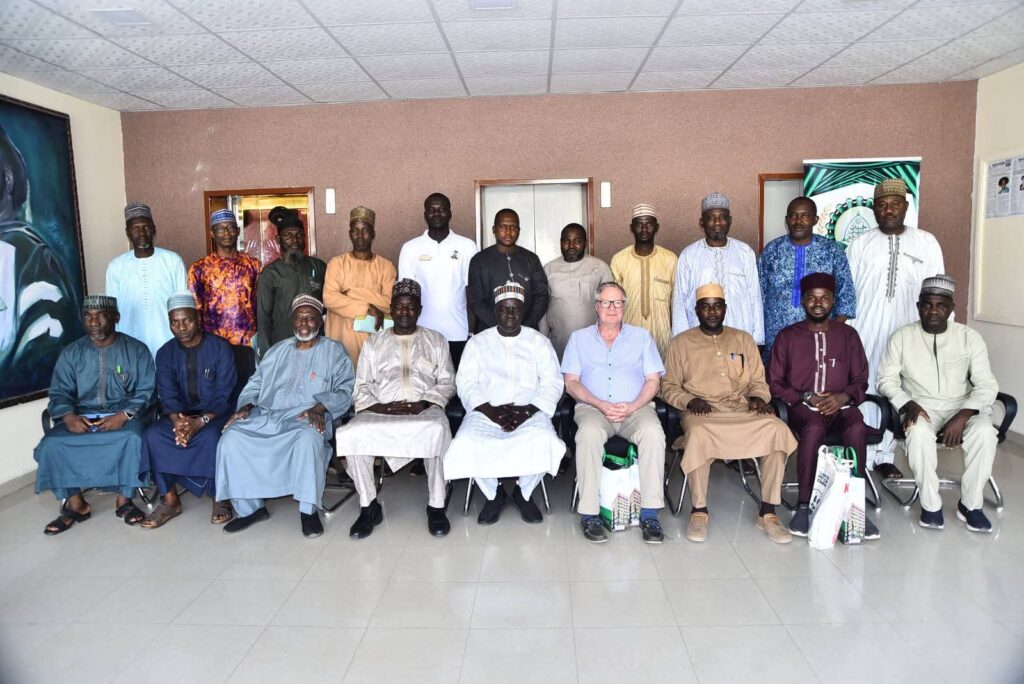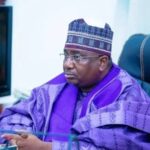


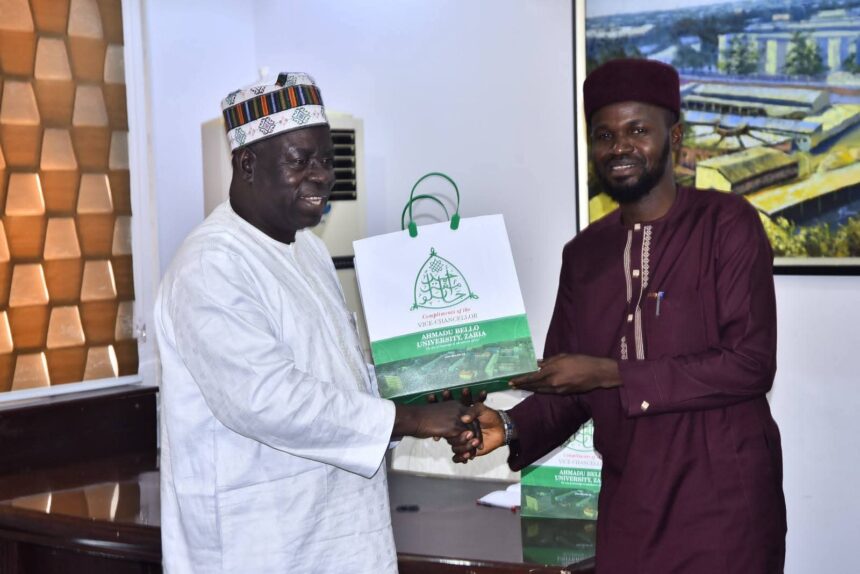
The agricultural complex of Ahmadu Bello University remains a robust platform for multidisciplinary collaboration, the institution’s Deputy Vice-Chancellor, Administration, Prof Bello Sabo, has said.
Sabo, who spoke when he received Prof J C Cook, an internationally renowned expert in animal health based in the United Kingdom, also described ABU agric complex as “one of the most comprehensive agricultural research and training hubs in Africa”
.Prof Cook is the Project Coordinator of an international initiative, christened ‘Harnessing Data Integration for Precision Health in Climate-Smart Cattle Systems’.
Cook, a retired professor at the University of Surrey, the United Kingdom, was in ABU on an exploratory visit alongside the Nigeria Project Lead, Dr Musa Mansur Ahmad, an alumnus of ABU, Zaria.
The visit was essentially to introduce Prof Cook’s project to ABU and NAPRI, exchange ideas, and explore opportunities for joint research, capacity building, and development of scalable livestock health solutions tailored to local production systems.
Sabo received the animal health and data-driven innovation solutions expert on behalf of the Vice-Chancellor, Prof Adamu Ahmed.
The university’s integrated agricultural system, according to him, combined veterinary medicine, animal production, crop science, extension services, and specialised research institutes such as NAPRI, IAR, and NAERLS.
He emphasised that ABU’s long standing reputation in agricultural research, coupled with its vast land, livestock facilities, and experienced academic workforce, made it well positioned to support livestock development initiative.
He also said the proposed collaboration between ABU and the Prof Cook-led international initiative should evolve beyond its focus areas to encompass broader research, training, technology transfer, and community impact programmes.
Prof Sabo further said such partnership would not only benefit the immediate livestock production communities but would also contribute significantly to national food security, economic development, and sustainable agricultural transformation.
Sabo thanked Prof Cook and his team for identifying ABU as a strategic partner and expressed hope for building a mutually beneficial and enduring working relationship.
The visiting scholar had earlier said in his remarks that his mission centred on improving livestock productivity and supporting the livelihoods of people who depend on livestock for survival.
According to him, the initiative was part of a broader trilateral collaboration involving partners from the United Kingdom, Nigeria, and Brazil.
The initiative, he also said, aimed at developing climate-smart livestock systems and strengthening global partnerships in animal health and sustainable cattle production. He further explained that the project sought to integrate digital and precision health technologies into predictive and real time decision-support platforms.
During the courtesy call on the Vice-Chancellor, the Dean, Faculty of Veterinary Medicine, Prof Mohammed Umaru Kawu, introduced the visiting scholar and members of his team.
Prof Kawu described the visit as a significant step towards strengthening academic and research collaboration between ABU, NAPRI, and international partners.The Dean also disclosed that the Faculty of Veterinary Medicine was working closely with NAPRI.
The essence, he said, was to possess strong competencies in veterinary clinical services, animal health research, livestock disease management, and herd productivity improvement, in alignment with the objectives of the climate-smart cattle project.
The Deputy Vice-Chancellor, Advancement, Research and Innovation, Prof Aliyu Sanusi Rafindadi assisted the Deputy Vice-Chancellor, Administration, Prof Bello Sabo, in receiving the guests.
Others present during the courtesy call included the representatives of the Registrar, Bursar, and Acting University Librarian, Malam Dalhatu Salihu, Malam Ibrahim Salisu, and Dr M. G. Kasa, respectively.
They also included the Director of ABU Veterinary Teaching Hospital, Prof A. J. Natala; and the Deputy Director, NAPRI, Dr. Muhammad Sa’idu Tanko.